

VCAT Lawyers in Melbourne
VCAT looks informal until the other side turns up with a lawyer. We act in the Domestic Building, Civil Claims, Residential Tenancies, Owners Corporations, Planning and Guardianship Lists across Victoria.
- Free initial advice
- Senior lawyer on every file
- 24/7 availability
Free initial advice from senior lawyers
Heading to VCAT? Read this before your directions hearing.
VCAT looks informal until the other side turns up with a lawyer. We act in the Domestic Building, Civil Claims, Residential Tenancies, Owners Corporations, Planning and Guardianship Lists across Victoria.
Areas we run
MK Law represents clients across Victoria on the following matters
VCAT looks informal until the other side brings a lawyer
The Victorian Civil and Administrative Tribunal was built to be cheap and accessible. The chairs are not bolted down, the member often invites everyone to use first names, and the rules of evidence are relaxed. Then the other side walks in with a barrister, hands up a folder of expert reports, and the day stops feeling informal very quickly. By the time you realise the file has gone against you, the orders are binding and enforceable in the Magistrates, County or Supreme Court.
If you have a directions hearing, a compulsory conference, or a final hearing coming up, call MK Law on 1800 130 120 today. The first call is free.
The Tribunal staff cannot give you legal advice, and the member will not run your case for you. VCAT is informal by design, but the person across the table is usually a lawyer who knows exactly which list rule, deadline and piece of evidence will sink your application. Walking in prepared is the whole game.
What VCAT is, and what it isn’t
VCAT was established under the Victorian Civil and Administrative Tribunal Act 1998 (Vic). It hears around 88,000 matters a year, more than any other tribunal in Australia, across everything from a faulty appliance to a contested guardianship order.
VCAT is not a court. It is a tribunal sitting below the Magistrates Court in the Victorian hierarchy, and matters are decided by Tribunal members rather than judges or magistrates. Its orders are still binding. A money order made by VCAT can be enforced like a court judgment by filing it in the Magistrates Court, the County Court, or the Supreme Court depending on the amount. Non-monetary orders, including specific performance and injunctions, are enforced through the Supreme Court of Victoria.
VCAT does not handle every civil dispute. It cannot hear motor vehicle accident claims, fencing disputes between neighbours, or general debt recovery between businesses. Those go to the Magistrates Court of Victoria.
The lists that matter to most clients
VCAT is organised into divisions, and each division contains lists. The ones our VCAT lawyers appear in most often are below. Each list runs under its own Act and its own procedure, which is why a strategy that works in one list can fail badly in another.
Domestic Building List. Disputes between homeowners and builders under the Domestic Building Contracts Act 1995 (Vic). Defective work, incomplete work, variations and termination fights. Most matters above $10,000 go here. Expect expert reports, a compulsory conference, and a hearing if it does not settle. See our page on VCAT building disputes.
Civil Claims (Goods and Services) List. Consumer disputes over products and services up to $100,000, and above by agreement. Faulty goods, services not delivered, refund refusals, and disputes with tradespeople below the building threshold. This is the most common list for a small consumer dispute. See VCAT consumer disputes.
Residential Tenancies List. Disputes under the Residential Tenancies Act 1997 (Vic) between renters and rental providers. Bond returns, rent reduction applications, possession orders, repairs, and termination notices. We act for both landlords and tenants. These hearings are listed quickly, sometimes within weeks. See VCAT tenancy disputes.
Owners Corporations List. Disputes under the Owners Corporations Act 2006 (Vic). Levy recovery, breach of rules, common property fights, and challenges to committee decisions. An owners corporation almost always appears with a lawyer, so an unrepresented lot owner is usually outgunned from day one.
Planning and Environment List. Reviews of council planning decisions under the Planning and Environment Act 1987 (Vic). Permit refusals, conditions a developer wants struck out, and objector appeals against a permit a council has granted. These matters turn on planning policy and expert town-planning evidence.
Retail Tenancies List. Disputes under the Retail Leases Act 2003 (Vic) between landlords and retail tenants. Outgoings disputes, fit-out claims, and end-of-lease make-good arguments.
Guardianship List
When an adult can no longer make reasoned decisions because of disability, illness, injury or the effects of ageing, VCAT can step in under the Guardianship and Administration Act 2019 (Vic). This list is not about a dispute between two sides. It is about protecting someone who needs help, and it carries real weight because the orders strip or limit a person’s legal authority over their own life.
VCAT can appoint a guardian to make lifestyle and personal decisions, such as where the person lives, what services they receive, and what medical treatment they have. It can appoint an administrator to make financial and legal decisions, including paying bills, managing assets, and signing contracts on the person’s behalf. Anyone concerned for the adult’s welfare can apply to VCAT, and a guardian or administrator can be a family member, a friend, or a professional such as a lawyer or an accountant. Where no suitable person is available, the Tribunal can appoint the Office of the Public Advocate or State Trustees.
The Tribunal must choose the least restrictive option that still protects the person’s best interests, which is why a supportive guardianship or supportive administration order is often preferred where the adult can still make some decisions with help. VCAT can also revoke or suspend a power of attorney, investigate a dispute about whether someone had capacity when the document was signed, and remove an attorney who has misused their authority. Every order specifies a reassessment date, so the arrangement is reviewed rather than left to run forever.
For a plain-English overview of the tribunal, read what is VCAT.
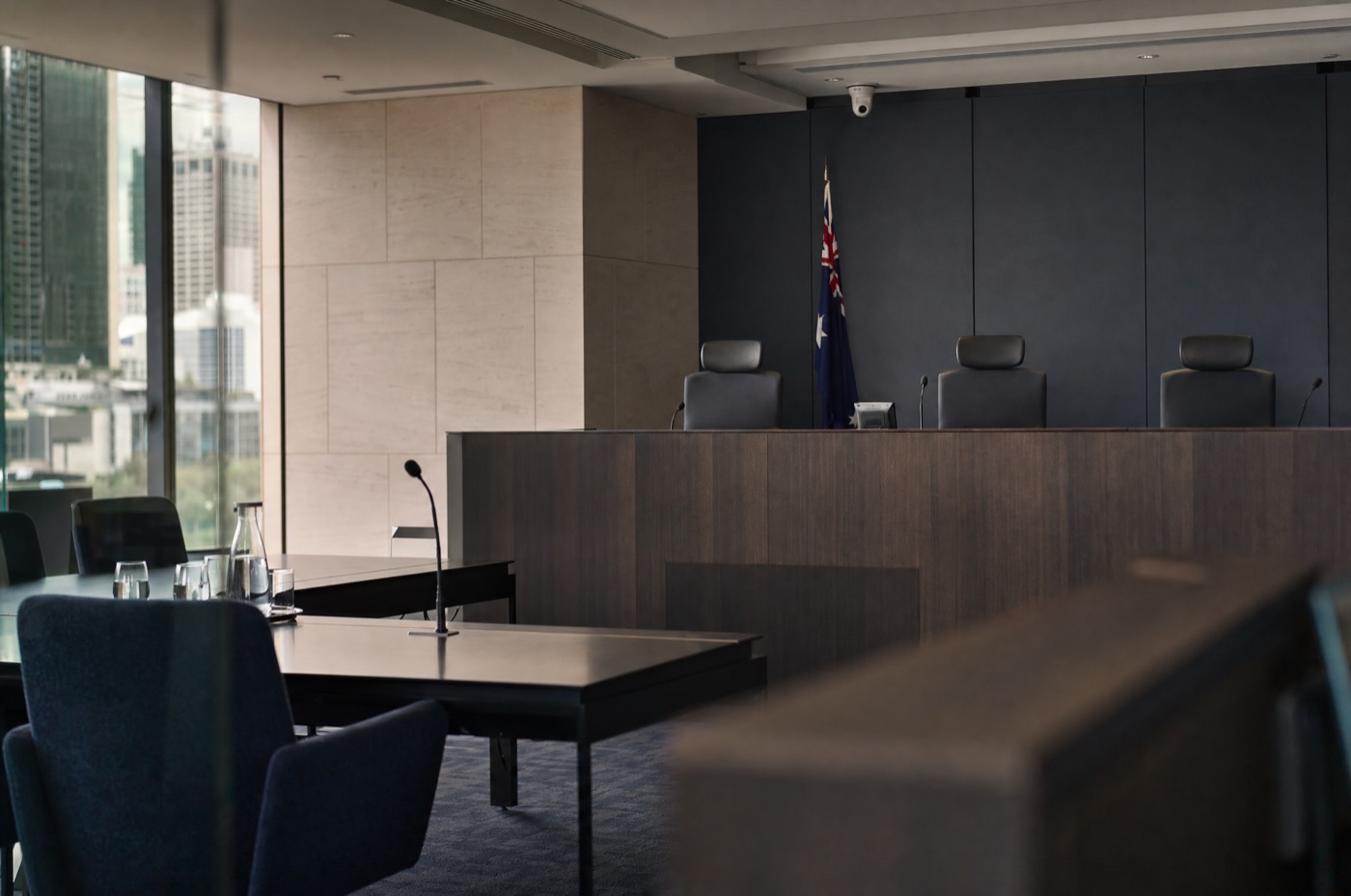
What the day at VCAT actually looks like
You sit at a table facing the member, not in a witness box. There is no jury and no wig in sight, and the member will often ask questions directly rather than wait for formal submissions. That relaxed setting fools people into thinking they can wing it. They cannot. The member decides on the evidence in front of them, and a clear, well-ordered case beats a sympathetic but disorganised one almost every time. We prepare your evidence, run the argument, and make sure the orders you ask for are the ones the Tribunal can actually make.
How a VCAT matter actually runs
An application is filed online or in person, with a filing fee that varies by list and claim size. Fee waivers are available where you can show financial hardship.
After filing, most matters are listed for a directions hearing, where the member sets a timetable for evidence, expert reports and the next step.
For most disputes above a small claims threshold, the next step is a compulsory conference. This is a confidential mediation run by a VCAT member, off the record, where the parties try to settle. Most matters resolve at this stage, so the work you put in before the conference often decides the result.
If the matter does not settle, it goes to a final hearing. Each side presents evidence, calls witnesses, and makes submissions. The member then makes orders, sometimes on the day, sometimes in writing weeks later.
VCAT rewards the side that turns up organised. Most cases are not won by a clever argument on the day. They are won in the weeks before, by the party who filed the right evidence, met every deadline, and knew what the member could and could not order.
MK Law Group
Can you be represented at VCAT?
You do not have an automatic right to a lawyer in every list. In Civil Claims and most Residential Tenancies matters, VCAT is designed to be run by the parties themselves, and you usually need the Tribunal’s permission before a lawyer can appear for you. In the Domestic Building, Owners Corporations, Retail Tenancies and Guardianship Lists, lawyers appear as of right.
The honest test is not whether you are allowed a lawyer, but whether you need one. You probably do if:
- The amount in dispute is more than $25,000
- The other side has retained a lawyer
- Your matter is in the Domestic Building, Owners Corporations, Retail Tenancies, Planning or Guardianship List
- Expert evidence is needed, which is almost every building and planning matter
- A directions hearing has already gone against you
- The case turns on contract interpretation, statutory construction, or a complex factual dispute
You can probably handle it yourself where the claim is small, under about $10,000, the facts are simple, and the other side is also unrepresented. Where any of the points above apply, going in alone against a represented opponent is the most expensive saving you can make.

Your case is built before the hearing, not during it
The member reads what you file. A tabbed bundle with the contract, the photographs, the expert report and a short chronology does half the persuading before you say a word. A shoebox of receipts handed up on the day does the opposite. We pull your documents into a hearing book, brief the right expert for a building or planning matter, and draft witness statements that say only what helps and nothing that hands the other side an opening. By the compulsory conference we know the strengths and the soft spots of your case, and so does the other side.
Who pays the costs at VCAT
The starting rule under section 109 of the Victorian Civil and Administrative Tribunal Act 1998 (Vic) is that each party bears their own costs. That is one of the reasons VCAT is cheaper than court, and it is a genuine advantage for a smaller dispute.
The Tribunal can order costs against a party where a claim was vexatious or misconceived, where one side caused unreasonable delay, or where conduct during the case wasted the other side’s time and money. Costs orders are more common in Domestic Building, Owners Corporations and Retail Tenancies matters than in Civil Claims. Because costs do not automatically follow the result, the commercial decision about whether to run, settle or walk away looks different at VCAT than it does in a court, and we factor that into the advice from the first call.
Got a VCAT hearing date? Don't walk in alone against a represented opponent.
One free call tells you which list you are in, what evidence the member will expect, and whether you need a lawyer at the table or just sound advice before you go.
Appealing a VCAT decision
Appeals from VCAT lie to the Supreme Court of Victoria. They are limited to a question of law and require the leave of the Court. You have 28 days from the date of the orders to file. You cannot appeal because the member preferred the other side’s expert, or because you think the result was harsh. Errors of fact, even significant ones, are not enough on their own to get an appeal off the ground.
We assess appeal prospects honestly. If your case is not a genuine question of law dressed up as one, we will tell you on the first call rather than take your money on a hearing the Supreme Court will not grant leave to run. Where there is a real legal error, moving quickly matters, because the 28-day clock is short and the Court is strict about it.
Talk to a Melbourne VCAT lawyer today
Call 1800 130 120 or use the form on this page. We act for tenants and landlords, homeowners and builders, lot owners and owners corporations, families seeking a guardianship or administration order, and consumers in dispute with traders. For a broader view of how this work fits together, see our civil lawyers in Melbourne hub. The first call is free, and by the end of it you will know which list you are in and what the next step looks like.
Don't wait. Every minute counts.
Get immediate legal support
Speak with a senior vcat lawyer today. First call is free.
1800 130 120-
Free first call
-
Confidential intake
-
Senior lawyer on every file
-
24/7 availability

Meet the firm
Michael Kuzilny
Founder & Principal, MK Law Group
Michael has been working in the Victorian legal system since 1986. MK Law Group acts for individuals, family businesses, and commercial clients across Melbourne, with a senior lawyer on every file from the first call.
"We take on the matters we know we can run well, and we are direct about the ones we cannot."
- Practising in Victoria since 1986
- Senior lawyer on every file from day one
- Free initial advice on every new matter
Testimonials
Real reviews from real clients
Verified client reviews appear here. Want to leave one?
Share your experienceFAQs
Frequently asked questions
-
Do I need a lawyer at VCAT?
Not always. Small Civil Claims and straightforward tenancy matters are designed to be run without one, and you usually need the Tribunal's permission to be represented in those lists. For Domestic Building, Owners Corporations, Retail Tenancies and Guardianship matters, lawyers appear as of right and the other side will almost always have one. Match them.
-
Who pays the costs at VCAT?
Each party usually bears their own costs under section 109 of the Victorian Civil and Administrative Tribunal Act 1998 (Vic). The Tribunal can order one side to pay the other's costs where a claim is vexatious, a party caused unnecessary delay, or the conduct of the case was unreasonable. Fee waivers are available for applicants in genuine financial hardship.
-
How long does a VCAT matter take?
Civil Claims often resolve within three to six months. Domestic Building and Owners Corporations matters commonly take around a year to reach a final hearing, and complex defect claims with expert evidence run longer, although many settle earlier at a compulsory conference. Residential Tenancies hearings are listed quickly, sometimes within weeks of the application. Guardianship applications are often heard within weeks because they can be urgent.
-
Can I appeal a VCAT decision?
Only on a question of law, and only with the leave of the Supreme Court of Victoria. You have 28 days from the date the orders were made to file. You cannot appeal because you disagree with the findings of fact or think the result was harsh. Get advice before you spend money on an appeal that will not get off the ground.
-
What is the difference between VCAT and a court?
VCAT is a tribunal, not a court. The rules of evidence are relaxed, hearings are less formal, and filing fees are lower. Matters are heard by Tribunal members rather than judges or magistrates. Orders are still binding and enforceable through the Magistrates, County or Supreme Court depending on the amount and the type of order.
-
How does VCAT appoint a guardian or administrator?
Where an adult cannot make reasoned decisions because of disability, illness or injury, VCAT can appoint a guardian for lifestyle and personal decisions, or an administrator for financial and legal decisions, under the Guardianship and Administration Act 2019 (Vic). Anyone concerned for the person's welfare can apply. The Tribunal must choose the least restrictive option that protects the person's best interests, and it reassesses every order.
-
Can VCAT cancel or review a power of attorney?
Yes. VCAT can revoke or suspend an enduring power of attorney, investigate whether an attorney has misused their authority, and appoint a new decision-maker where the arrangement is no longer protecting the person. Disputes about whether someone had capacity when the document was signed are common, and the Tribunal can resolve them.
-
Can a company represent itself at VCAT?
A company can be represented by a director or employee with the Tribunal's permission. For anything beyond a simple Civil Claims matter, most companies retain a lawyer because the consequences of losing, including the order being enforced against the company, justify proper representation.
Be in touch
Talk to a Melbourne civil lawyer today
Free first call. Honest assessment. No obligation. Reach us by phone, email, or the form below.
- marcus@mklawfirm.com.au
- 1800 130 120
- 2/212 Barkly Street, St Kilda VIC 3182