

Property Disputes
Retail Lease Dispute Lawyers in Melbourne
Retail leases run under their own rulebook, the Retail Leases Act, and it hands tenants protections many never use: land tax cannot be passed on, disclosure has teeth, and disputes start at low-cost VSBC mediation. We act for tenants and landlords through the whole track.
- Free initial advice
- Senior lawyer on every file
- 24/7 availability
Paying outgoings your lease never justified, or staring down a dispute with your landlord? If your premises are retail, the Act is probably more on your side than you think.
Retail leases run under their own rulebook, the Retail Leases Act, and it hands tenants protections many never use: land tax cannot be passed on, disclosure has teeth, and disputes start at low-cost VSBC mediation. We act for tenants and landlords through the whole track.
Retail leases have their own rulebook, and it bites
If your premises are retail, your dispute does not follow ordinary commercial lease rules. The Retail Leases Act overrides the lease wherever the two collide: minimum five-year terms, disclosure obligations with real consequences, limits on what outgoings a landlord can recover, and a ban on passing on land tax. Tenants sign these leases every day without knowing the protections exist, and plenty of landlords breach them without meaning to, with the liability accumulating quietly for years.
MK Law acts for retail tenants and landlords across Melbourne and Victoria, from cafes and hair salons to medical suites and franchise sites. Retail tenancy work is one part of what our property dispute lawyers do, and it is the part with the most rules stacked on the tenant’s side. Whichever side you are on, the first call is free: 1800 130 120.
The disputes we see every week
Outgoings top the list. A landlord must give an annual estimate of outgoings and back it up with a statement, and tenants can only be charged what the Act and the lease genuinely allow. When we audit outgoings statements we regularly find land tax, which a landlord cannot recover from a retail tenant, along with charges the lease never authorised, and overpayments can be clawed back.
Disclosure comes next. The landlord must give a disclosure statement and the proposed lease at least 14 days before the lease is entered into. Late disclosure pushes back the start of the term; missing or misleading disclosure gives the tenant remedies that can reach as far as ending the lease. Then come rent reviews, repair standoffs, options exercised late or disputed, lockouts, and make-good claims at exit that bear no resemblance to the lease.
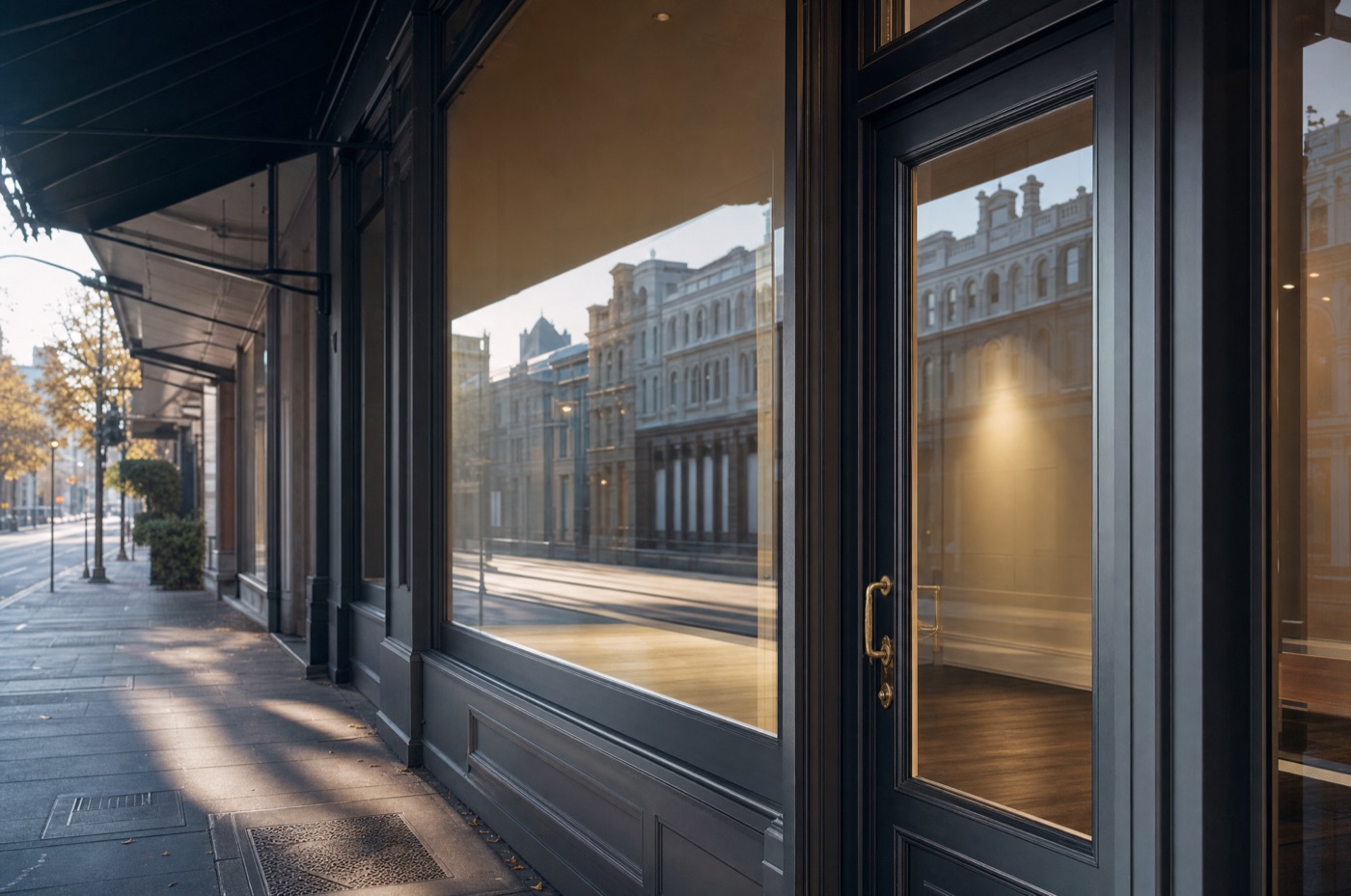
Your shopfront is your livelihood
When the premises stop, the income stops, which is why retail lease disputes carry more urgency than the paperwork suggests. Send us the lease, the disclosure statement and the letters, and on a free call we will tell you what the Act actually entitles you to, whether that is outgoings money back, a lockout unwound, or a make-good claim cut down to what the documents support.
The VSBC comes first, and that is good news
You cannot take a retail tenancy dispute straight to a tribunal. The Act routes almost everything through mediation at the Victorian Small Business Commission first, at $300 per party for a half-day session, and only when the VSBC certifies that mediation has failed or will not help, the section 87 certificate, can the matter go to VCAT. The exceptions are narrow: disputes solely about rent arrears, and urgent injunctions, which is how we stop a threatened lockout without waiting for a mediation date.
Treat the mediation as the main event, because for most disputes it is. The party that turns up with the lease analysed, the figures reconciled and a settlement range already priced tends to leave with a resolution on its own terms, and getting you to that point is most of what we do on a retail file.
Most retail lease disputes are decided by three documents: the lease, the disclosure statement and the outgoings statements. Read together, they usually make one side's position untenable. Work out which side you are on well before you walk into the mediation.
MK Law Group
If it goes past mediation
With that certificate in hand, the dispute moves to VCAT, which hears retail tenancy matters at a fraction of court cost. Tenants who have never been in front of the tribunal usually want to know what VCAT is and how a hearing there runs before they agree to go, and the honest answer is that the Retail Tenancies List is far less intimidating than a courtroom. We run VCAT proceedings to hearing where needed, though most files settle once positions are tested at mediation. If your lease turns out not to be retail at all, the fight belongs in the courts instead, and our commercial lease disputes lawyers take it from the same first call, so nothing restarts.
Franchise sites carry a second layer. The site lease usually sits underneath the franchise agreement, so a landlord problem turns into a franchisor problem within a fortnight, and our franchise lawyers come onto those files from the first call. Franchise disputes and the lease under them have to be argued together, because a concession on one side of that pair costs you on the other. Retail tenants also sometimes hold more than a lease: an option to purchase or a right of first refusal raises the question of a caveat on property the moment the landlord puts the building on the market, and that question moves on a much shorter fuse than a mediation date.
Outgoings creeping up, or a dispute already on foot?
Years of recoverable overcharges disappear while tenants hesitate, and landlords sitting on disclosure defects accrue liability. One free call prices your position under the Act.
Talk to a retail lease lawyer today
Call 1800 130 120 or use the form on this page. Have the lease and your latest outgoings statement handy if you can, because the first review starts there, and it costs you nothing.
Legal Information
Talk to a lawyer before the next step

Meet the firm
Michael Kuzilny
Founder & Principal, MK Law Group
Michael has been working in the Victorian legal system since 1986. MK Law Group acts for individuals, family businesses, and commercial clients across Melbourne, with a senior lawyer on every file from the first call.
"We take on the matters we know we can run well, and we are direct about the ones we cannot."
- Practising in Victoria since 1986
- Senior lawyer on every file from day one
- Free initial advice on every new matter
Testimonials
Real reviews from real clients
Verified client reviews appear here. Want to leave one?
Share your experienceFAQs
Frequently asked questions
-
How do I know if my lease is a retail lease?
Broadly, if the premises are used wholly or predominantly for selling goods or services to the public, the Retail Leases Act likely applies, and courts have read that concept widely, catching plenty of businesses that do not look like shops. There are exclusions, including leases where occupancy costs, rent plus outgoings, exceed $1 million a year excluding GST. The question matters because the Act voids offending lease clauses and moves disputes to the VSBC and VCAT instead of the courts. We answer the retail-or-not question on a free first call, and the answer shapes everything that follows.
-
My landlord is passing land tax on to me. Is that allowed?
Not under a retail lease. Any clause that makes you pay the landlord's land tax is void, and the same goes for the new commercial and industrial property tax. If you have been paying land tax under a retail lease, you may be able to recover what you paid. Outgoings statements bury this line more often than you would expect, which is one reason we audit them. Send us your lease and your last outgoings statement and we will check for free.
-
I never received a disclosure statement. What are my rights?
A landlord must give a retail tenant a disclosure statement and a copy of the proposed lease at least 14 days before the lease is entered into. Given late, the term is taken to start 14 days after the documents finally arrive. Not given at all, or given with false or misleading content, the Act gives the tenant remedies that can include withholding rent for a period, compensation or in some cases ending the lease, and the details depend on timing, so get advice before you act on any of them. Renewals carry their own disclosure obligations too. This is technical ground where an early call saves real money.
-
How does VSBC mediation work and what does it cost?
Almost every retail tenancy dispute must go to the Victorian Small Business Commission before VCAT can hear it. You lodge a dispute application, the VSBC arranges mediation, and the fee is $300 per party for a half-day session. Most disputes settle there, which is the point: it is fast and cheap compared to litigation. If mediation fails, the VSBC issues a certificate saying so, and that certificate is your ticket into VCAT. We prepare clients properly for mediation because a well-prepared party usually leaves with a deal worth taking.
-
Can I skip the VSBC and go straight to VCAT?
Generally no. VCAT cannot hear a retail tenancy dispute without the VSBC's certificate saying mediation failed or is unlikely to resolve it. The main exceptions are disputes solely about unpaid rent and matters where an injunction is sought, for example to stop an imminent lockout. Trying to skip the step wastes months, and knowing when the exceptions genuinely apply is one of the first calls we make on a new file.
-
What happens at the end of my retail lease with make-good and my bond?
Your make-good obligation is whatever the lease and your disclosure statement actually say, and landlords routinely claim more than those documents support. Photograph the premises at exit, get the make-good scope agreed in writing where you can, and do not hand back the keys with nothing documented. Security deposits must be returned where the tenant has performed, and disputes about them follow the same VSBC-then-VCAT track. If a make-good claim lands after you have left, do not pay it as billed. The first call to us is free, and these claims usually shrink under scrutiny.
- 30+
- Years in Victorian civil work
- 1,500+
- Files run end-to-end
- 4.7
- Average Google rating
- 24/7
- Free initial advice
Be in touch
Talk to a Melbourne civil lawyer today
Free first call. Honest assessment. No obligation. Reach us by phone, email, or the form below.
- marcus@mklawfirm.com.au
- 1800 130 120
- 2/212 Barkly Street, St Kilda VIC 3182