

Insolvency
Builder Liquidation Lawyers in Melbourne
When a builder goes under mid-build, most of what you get back comes from insurance rather than the liquidation: VMIA domestic building insurance for contracts signed before 1 July 2026, or the new Home Warranty for contracts signed after it. We run those claims for homeowners, and we act for unpaid subcontractors chasing what is left.
- Free initial advice
- Senior lawyer on every file
- 24/7 availability
Has your builder gone into liquidation or administration and left the site silent?
When a builder goes under mid-build, most of what you get back comes from insurance rather than the liquidation: VMIA domestic building insurance for contracts signed before 1 July 2026, or the new Home Warranty for contracts signed after it. We run those claims for homeowners, and we act for unpaid subcontractors chasing what is left.
The site has gone quiet and the clock is already running
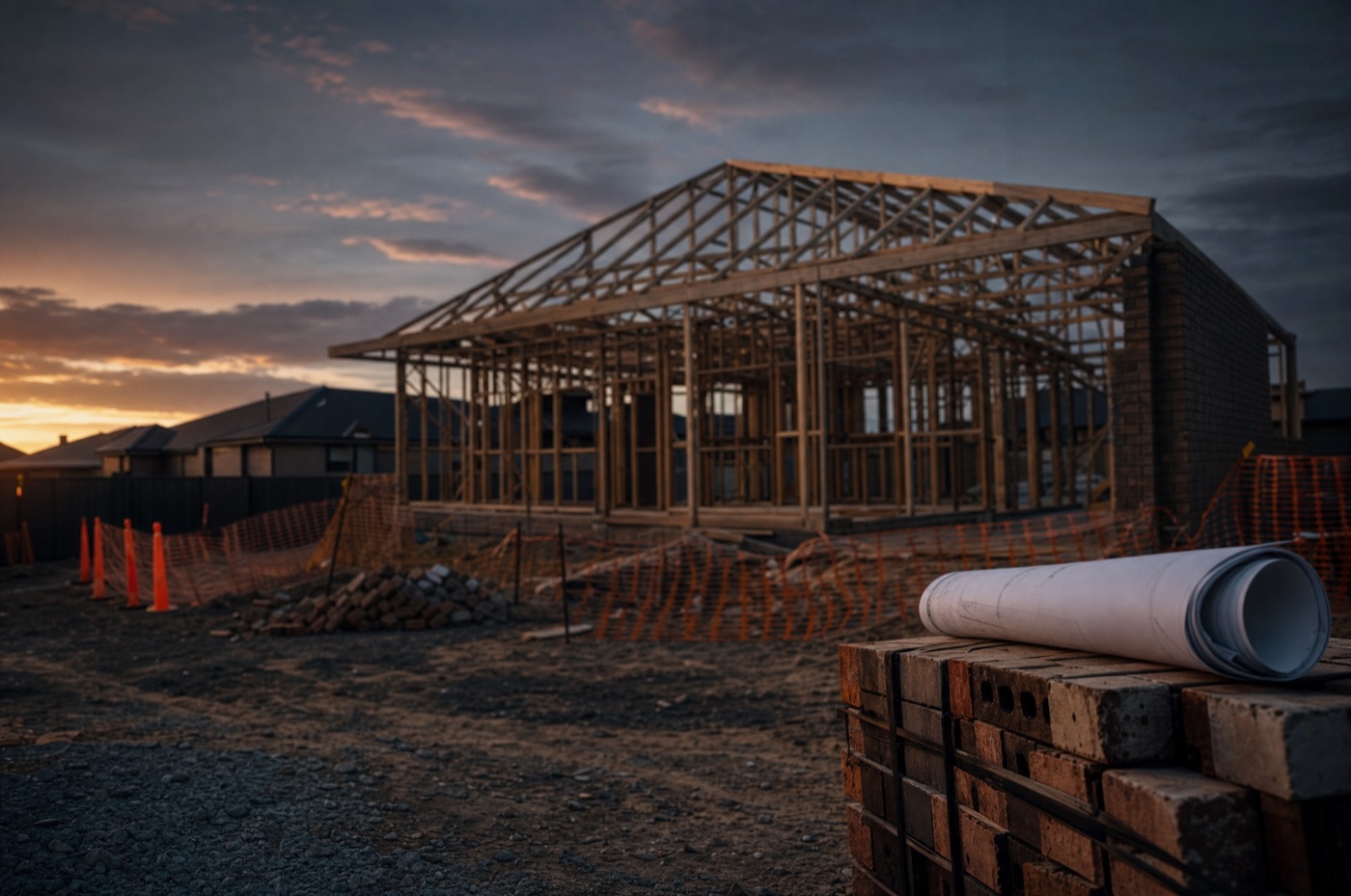
Your builder has gone into liquidation or administration, the site is fenced and silent, and you are somewhere between a slab and a lock-up stage you have already paid for. What you do in the next fortnight decides most of what you recover. We run builder collapse files for Melbourne homeowners weekly, and for subcontractors left holding unpaid invoices. Two problems are running at once here, a building one and an insolvency one, and the insolvency side sets the timetable, which is why a collapsed build belongs with insolvency lawyers rather than with a building practice alone. Call 1800 130 120 and the first call is free.
Before anything else, stop paying invoices, including any marked urgent from an administrator. Dig out your insurance certificate and your building contract. And photograph the site exactly as it stands, because the insurer will assess the completion stage against what you have already paid.
Which insurance covers you depends on one date
Victoria changed its scheme on 1 July 2026, so your contract date controls everything.
If you signed before 1 July 2026, you hold a domestic building insurance policy issued through VMIA, which was required for domestic building work over $16,000. It covers up to $300,000 per dwelling, and it pays out where your builder became insolvent, died, disappeared, or failed to comply with a court or VCAT order. Incomplete work is capped at 20 per cent of the contract price, and defective work is generally claimable for six years after completion, or two years for non-structural defects. The Building and Plumbing Commission now handles claims on these policies.
If you signed on or after 1 July 2026, you are under the new Home Warranty scheme run by the Building and Plumbing Commission, which applies to contracts over $20,000. Cover rises to $400,000 and incomplete work carries a 30 per cent sub-limit. It is also a first-resort scheme, so you no longer have to wait for a formal insolvency event before you claim for defective or incomplete work. Notification windows run from the moment you become aware of the loss, so your claim starts now, whatever the liquidator is doing.
The insurance claim is where the money comes from
Most homeowners get one shot at the assessment. We prepare the claim so the completion stage, the overpayments and every defect are on the record from the start, brief an independent building consultant where the numbers justify it, and challenge low assessments. If your dispute turns out to be about defects rather than insolvency, the fight moves to VCAT as a domestic building dispute.
The liquidation itself: lodge, then look past it
Lodge a proof of debt with the liquidator for everything the insurance will not cover: the gap above the cap, lost rent, your excess. Do not expect much back from it, because unsecured creditors of failed builders usually recover cents in the dollar. Treat it mainly as a source of information. The liquidator’s report to creditors flags insolvent trading, deposits taken while the company was already gone, and missing insurance, and each of those can support a personal claim against the directors. Where directors signed guarantees or traded while insolvent, we pursue them directly, and what that involves is set out under director liability. The process the company itself is now going through is liquidation, and it explains most of the silence you are getting.
A builder collapse is usually three separate files running at once: the insurance claim that gets the house finished, the liquidation claim for whatever the insurance will not cover, and sometimes a personal claim against the directors. Homeowners who only run the first one leave money on the table.
MK Law Group
Subcontractors: your doors are different
The insurance is there for the homeowner. If you are an unpaid subbie, your recovery runs through the PPSR and retention of title over materials, any director guarantee buried in your trading terms, a proof of debt, and the Fair Entitlements Guarantee if you were on the books as an employee. Security of payment claims are close to worthless once the builder is in liquidation, so if the builder is wobbling but has not yet fallen over, ring us today while a progress claim can still bite. Our debt recovery lawyers handle the enforcement end.
Builder gone under mid-build?
Insurance notification windows are already running and the completion-stage evidence is sitting on your site right now. One free call maps the insurance claim, the liquidation claim and any claim against the directors.
Get the claim moving this week
Call 1800 130 120 or use the form on this page. Have your contract, invoices and any insurance certificate nearby if you can find them. You will finish the call knowing which scheme covers you, what it should pay, and what the next step is. Defect and contract fights with a builder who is still standing are handled by our building dispute lawyers.
Legal Information
Talk to a lawyer before the next step

Meet the firm
Michael Kuzilny
Founder & Principal, MK Law Group
Michael has been working in the Victorian legal system since 1986. MK Law Group acts for individuals, family businesses, and commercial clients across Melbourne, with a senior lawyer on every file from the first call.
"We take on the matters we know we can run well, and we are direct about the ones we cannot."
- Practising in Victoria since 1986
- Senior lawyer on every file from day one
- Free initial advice on every new matter
Testimonials
Real reviews from real clients
Verified client reviews appear here. Want to leave one?
Share your experienceFAQs
Frequently asked questions
-
My builder is in liquidation. Do I get my money back?
Usually through insurance rather than the liquidation. For contracts signed before 1 July 2026, domestic building insurance issued through VMIA covers you up to $300,000, with incomplete work capped at 20 per cent of the contract price. For contracts signed on or after 1 July 2026, the new Home Warranty scheme run by the Building and Plumbing Commission covers up to $400,000, with a 30 per cent sub-limit for incomplete work. Lodging a proof of debt with the liquidator as well costs little and keeps every door open.
-
How do I find my domestic building insurance policy?
Your builder was required to give you a certificate of insurance before taking a deposit on domestic building work over $16,000 (over $20,000 for Home Warranty contracts). Check your contract pack and emails from the builder or their broker. If you cannot find it, we can search against the builder's details. A missing certificate is itself serious: a builder who took your deposit without the cover the law requires has broken the law, and that strengthens claims against the directors personally.
-
What does the insurance actually pay for?
Completion of the unfinished work up to the incomplete-work cap, and fixing defective work, generally claimable for six years after completion for structural defects and two years for non-structural defects. You must notify the insurer within the required window once you become aware of the loss, so do not sit on it. The insurer then either pays for another builder to finish and fix, or cash-settles.
-
I paid a big deposit. Was that even legal?
Victorian law caps deposits on domestic building contracts: 5 per cent where the contract price is over $20,000, and 10 per cent at or under it. Builders in trouble often push for more up front or invoice ahead of the stage actually built. Money paid beyond the lawful stage payments is exactly what the insurance claim and any claim against the directors should capture, so gather every invoice and receipt before you call.
-
I am a subcontractor and the builder owes me thousands. What can I do?
Domestic building insurance protects the homeowner rather than you, so your recovery runs through other doors: a proof of debt with the liquidator, retention-of-title and PPSR rights over materials you supplied, any personal guarantee in your credit application, and unpaid employee entitlements through the Fair Entitlements Guarantee if you were actually an employee. Progress claims under security of payment legislation lose most of their force once the builder is in liquidation, so a subbie who can see the collapse coming should ring while the builder is still standing.
-
Can I go after the builder's directors personally?
Sometimes. Directors who gave personal guarantees can be sued on them despite the liquidation. Directors who kept taking deposits while the company was insolvent can be made personally liable for insolvent trading, and taking your money without the required insurance is an offence that supports recovery. The liquidator's report often does the investigative work for you. We review it and tell you if a claim is worth funding.
- 30+
- Years in Victorian civil work
- 1,500+
- Files run end-to-end
- 4.7
- Average Google rating
- 24/7
- Free initial advice
Be in touch
Talk to a Melbourne civil lawyer today
Free first call. Honest assessment. No obligation. Reach us by phone, email, or the form below.
- marcus@mklawfirm.com.au
- 1800 130 120
- 2/212 Barkly Street, St Kilda VIC 3182